ANXIETY AT SCHOOL: HELPING YOUR CHILD SURVIVE AND THRIVE
May 5, 2021
Anxiety at school is not a new phenomenon, however, educators and parents alike recognise that there has been a significant increase in the prevalence of anxiety among children in the past year, as a result of Covid - 19, pandemic lockdowns, and measures to ensure the safety of children who are back at school or in the process of returning.
Anxiety is not to be dismissed or taken lightly, but the good news is that parents and teachers can take steps to ensure they firstly, recognise red flags in children and then respond appropriately, should there be concerns that a child is taking strain emotionally, an education expert says.
“Teachers and parents can recognise the onset of anxiety when a sudden change in behaviour becomes apparent and continues for at least three weeks or longer,” says Dr Jacques Mostert who holds a PhD in Psychology of Education and is Brand Academic Manager at ADvTECH, SA’s leading private education provider. Dr Mostert is globally renowned in his field, and has conducted experiential research in education in Denmark, the UK, South Africa and The Netherlands.
He says some of the signs to look out for include inattention and restlessness; attendance problems and clingy kids; disruptive behaviour that is not typical of the young person; trouble answering questions in class; an increase in problems generally, which could include a marked downturn in academic performance in certain subjects where usually there wasn’t a problem and if non-neurotypical difficulties are ruled out, such as ADHD or dyslexia. Finally, if a child starts avoiding socialising or group work, attention must be paid.
“Anxiety is your body’s normal reaction to perceived danger or important events,” says Dr Mostert.
“It is like your body’s internal alarm system that is set to alert you of dangers that may be life threatening and it helps your body to prepare to deal with danger. However, your internal alarm is not very good at recognising whether the danger you may face is indeed life threatening or not. For example, your body reacts by becoming nervous about being late to school and seeing a big spider in the bathroom in the same way. Neither are likely to cause real damage, yet your body remains alert and ready to run away in either case.”
Dr Mostert says anxiety or feeling nervous are normal emotions and can be expected during times of transition and change, especially during times of unprecedented disruption like the current Covid-19 pandemic.
“The news and social media are filled with reports of the danger of Covid-19, the virility of the virus and how to stay safe from infection. This is especially true for children and teens going back to school after their normal routines have been disrupted. Even young children who don’t watch news still pick up on the concerns of the adults around them, and constantly have safety measures reinforced in a way they were not before 2020.”
Many parents also remain concerned regarding children’s safety from the virus at school.
“While you as parent may be stressed about safety and Covid-19 safety procedures, this can be put in context by considering the excellent track records of schools where children have returned.”
If a parent has concerns about the anxiety of a child following the identification of symptoms which persist over weeks, they need to start tackling the problem at home, as the first line of response, says Dr Mostert.
“Routine is key in this. The first important step is to reinstate regular routines, including in the morning and evening. Nobody copes well when they are tired or hungry. Anxious children often don’t feel like eating breakfast, they might not feel hungry, or become nauseous after eating breakfast, so start making sure that your child gets back in the habit of getting some nutrition before heading to school.
“Also, make sure that your child wakes up early enough to avoid rushing to get to school. This of course means that you must ensure that your child goes to bed early enough, at a regular time. If your child spends hours before going to sleep on a device or social media, this is a habit that needs to end. It is not healthy for children or adults, for that matter.”
Dr Mostert notes that if a child becomes unusually quiet, or starts to ramble, this can also be an indication that they are anxious about returning to school.
“Children often seek reassurance that bad things won’t happen in order to reduce their worry. Rather than dismissing this behavior or becoming frustrated with them, acknowledge their fears. Avoid making light of their (and your own) anxiety by, for instance, saying there’s nothing to be worried about or that they’ll be fine. Instead, listen to them, acknowledge their feelings, and encourage your child to work through ways of solving their concerns with your assistance.”
In addition, there are practical ways to deal with anxiety in the moment, which include:
• Practising deep breathing
• Taking a break and going outside
• Talking about anxiety openly and objectively
• Getting moving
• Walking and talking
• Practising positive thinking and keeping a gratitude journal
• Trying to eat as healthy as is possible and drinking enough water
“When dealing with an anxious child, it is very important not to lecture or interrupt them, or to jump to conclusions or mock their fears.
“Instead, practise being a good listener, remain positive and retain a sense of humour, give positive feedback and reinforcement, aim to see fears from the child’s perspective. Helping your child through anxious periods is possible and an important part of their growth towards maturity. And, if your own efforts to help them do not yield results, there are many qualified and compassionate professionals who can help child and family get back on track.
“Adults should keep in mind that they play an important role in supporting children during this time to direct attention away from the concerns about friends, teachers, homework and Covid-19, by directing instead their thoughts toward the positives of seeing their friends, building relationships and new friendships, having the opportunity to interact with teachers and the safe environment of the school.”
ABOUT ADvTECH
The ADvTECH Group, a JSE-listed company, is Africa’s largest private education provider and a continental leader in quality education, training, skills development and placement services. The Group reports its performance in a segmental structure reflecting the Schools and Tertiary as two separate education divisions, and Resourcing as the third division. ADvTECH’s Schools division comprises 10 brands with more than 100 schools across South Africa, including Gaborone International School in Botswana and Crawford International in Nairobi, Kenya. It owns 9 tertiary brands, across 30 campuses across South Africa and the rest of Africa, and its higher education division, The Independent Institute of Education, is SA’s largest and most accredited private higher education provider. ADvTECH’s 9 resourcing brands places thousands of candidates annually, assisting graduates to make the transition from the world of study to the world of work.
ABOUT Dr Jacques Mostert
A renowned educational expert with more than two decades of experience locally and internationally, Dr Mostert holds a BEd Honours (Cum Laude) and MEd in Curriculum Design from University of Johannesburg. He completed a UK Qualified Teacher Accreditation from the University of East London in the UK as well as a Postgraduate Diploma in Social, Emotional and Behaviour Difficulties from Leicester University in the UK. He completed his PhD in Psychology of Education through the University of Johannesburg. Dr Mostert was awarded the Outstanding grade for Teaching and Learning by Her Majesty’s Office in Standard in Education (Oftsed).
Following his work in the UK, Dr Mostert was appointed Head of Department of Psychological Sciences at the American University of the Middle East in Kuwait. He managed qualitative and quantitative research projects, has published peer reviewed articles in international journals, presented and international education conferences, led and presented staff development seminars and is currently the Academic Manager of ADvTECH’s Niche School Brands in South Africa. Dr Mostert has conducted experiential research in education in Denmark, the UK, South Africa and The Netherlands.
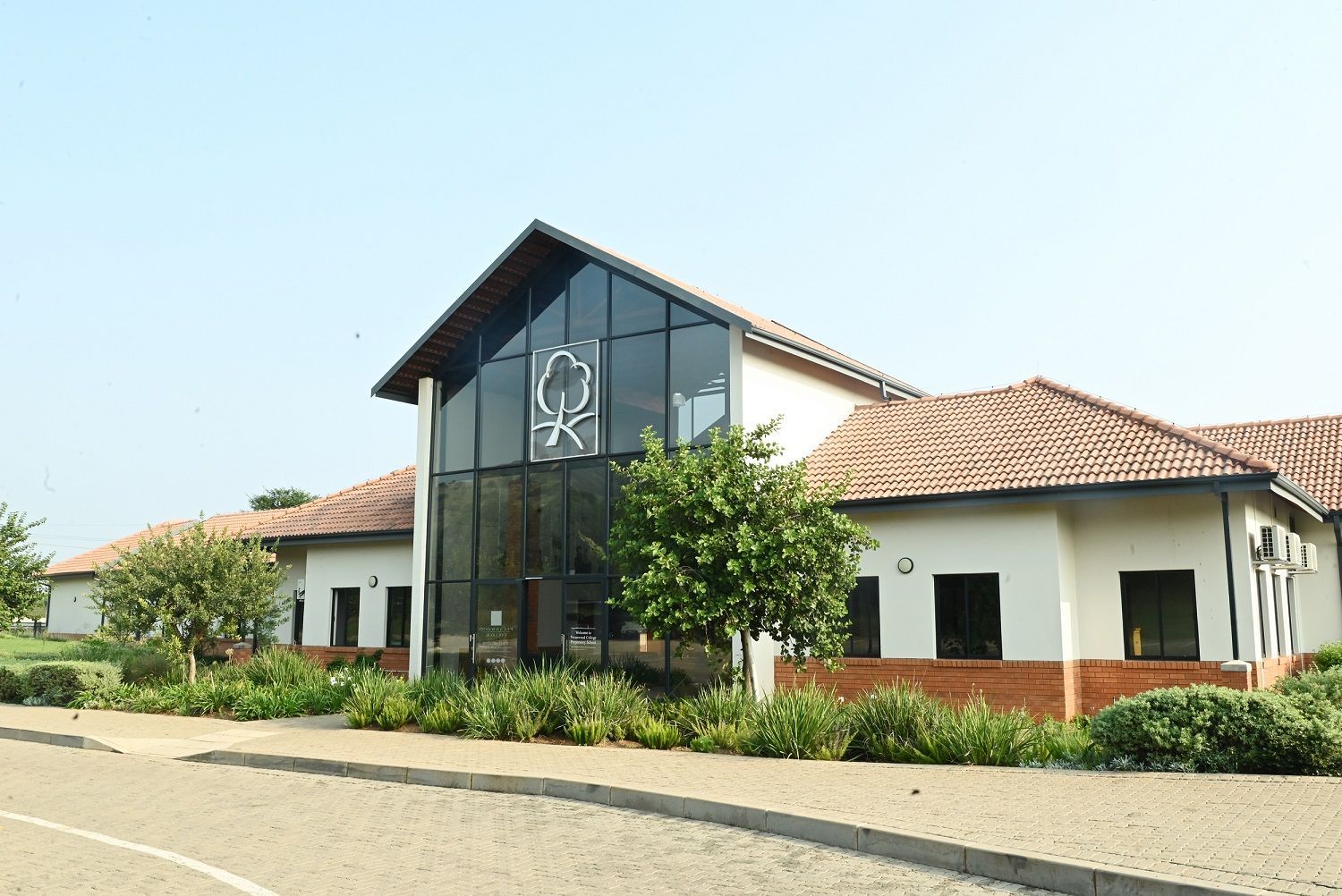
Twenty years of trusted education meets expanded opportunities, greater accessibility and future-ready learning from January 2027. Families across Hartbeespoort can look forward to an even stronger independent school offering as Pecanwood College becomes Pinnacle College Pecanwood from January 2027. The transition brings together two decades of local educational excellence with the academic strength, innovation and opportunities offered by the expanding Pinnacle Colleges network. Current and prospective families stand to benefit from a school that retains everything the community values while opening the door to even greater opportunities. Pinnacle College Pecanwood will preserve the school's caring culture, close relationships, boarding facilities, IEB curriculum, sporting tradition and vibrant co-curricular programme, while providing students access to a broader network recognised for academic excellence, future-focused learning and preparation for life beyond school. Pecanwood College has proudly served the Hartbeespoort community for 20 years, offering education from the early years through to Grade 12, including boarding. Dedicated teachers, a nurturing environment, strong IEB academic results and diverse sporting and cultural opportunities have established the school as a respected educational institution in the region. That solid foundation will now be enhanced through the wider Pinnacle Colleges network. Students and teachers will benefit from shared academic expertise, established operational excellence and opportunities to participate in broader academic, cultural and sporting initiatives across multiple campuses. Pinnacle Colleges equips students for tertiary education and successful careers through a balanced approach that combines academic excellence with innovation, career guidance, coding and robotics, technology-enabled learning and holistic personal development. Respect, responsibility and a strong sense of community remain central to every campus experience. Academic success already defines Pecanwood College. The Class of 2025 achieved an impressive 98.59% matric pass rate, a 94.36% Bachelor's Degree pass rate and an average of 1.9 distinctions per student. Pinnacle College Pecanwood will build on these achievements through strengthened academic systems, shared expertise and continued commitment to outstanding IEB education. The name Pinnacle College Pecanwood honours both the school's proud heritage and its exciting future. Twenty years of commitment by students, teachers, families and the wider community remain firmly embedded in the school's identity, while its new name reflects membership of one of South Africa's fastest-growing independent school groups dedicated to innovation, accessibility and student success. Hartbeespoort families can now enjoy the best of both worlds: a close-knit community lifestyle paired with access to a high-quality independent education close to home. Pinnacle College Pecanwood is well positioned to become the school of choice for families seeking exceptional academic opportunities, future-ready skills and an environment where every student can thrive.
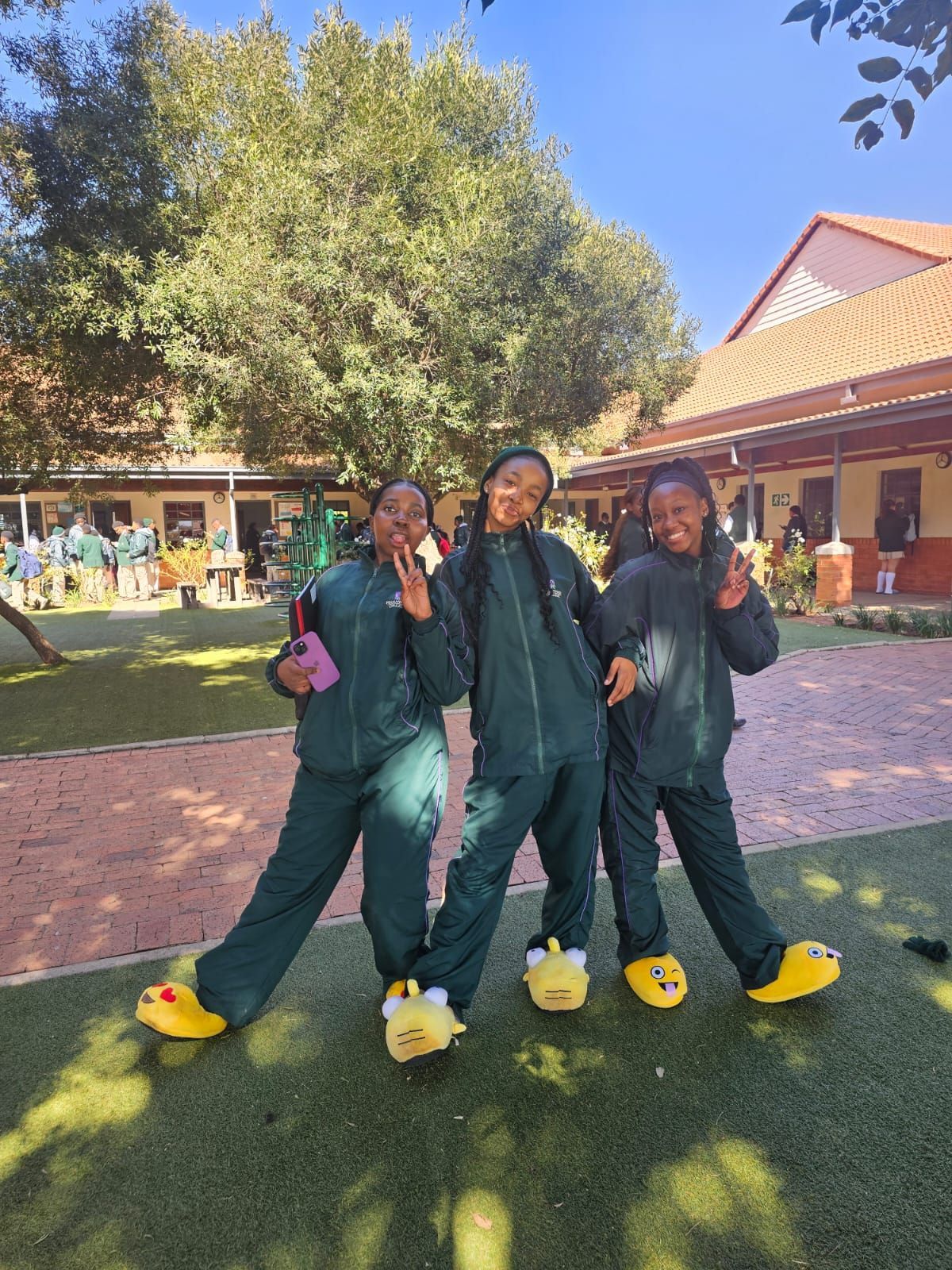
A huge thank you to our community for supporting Slipper Day 2025! See how your contribution makes a difference for children in need. Read more here!
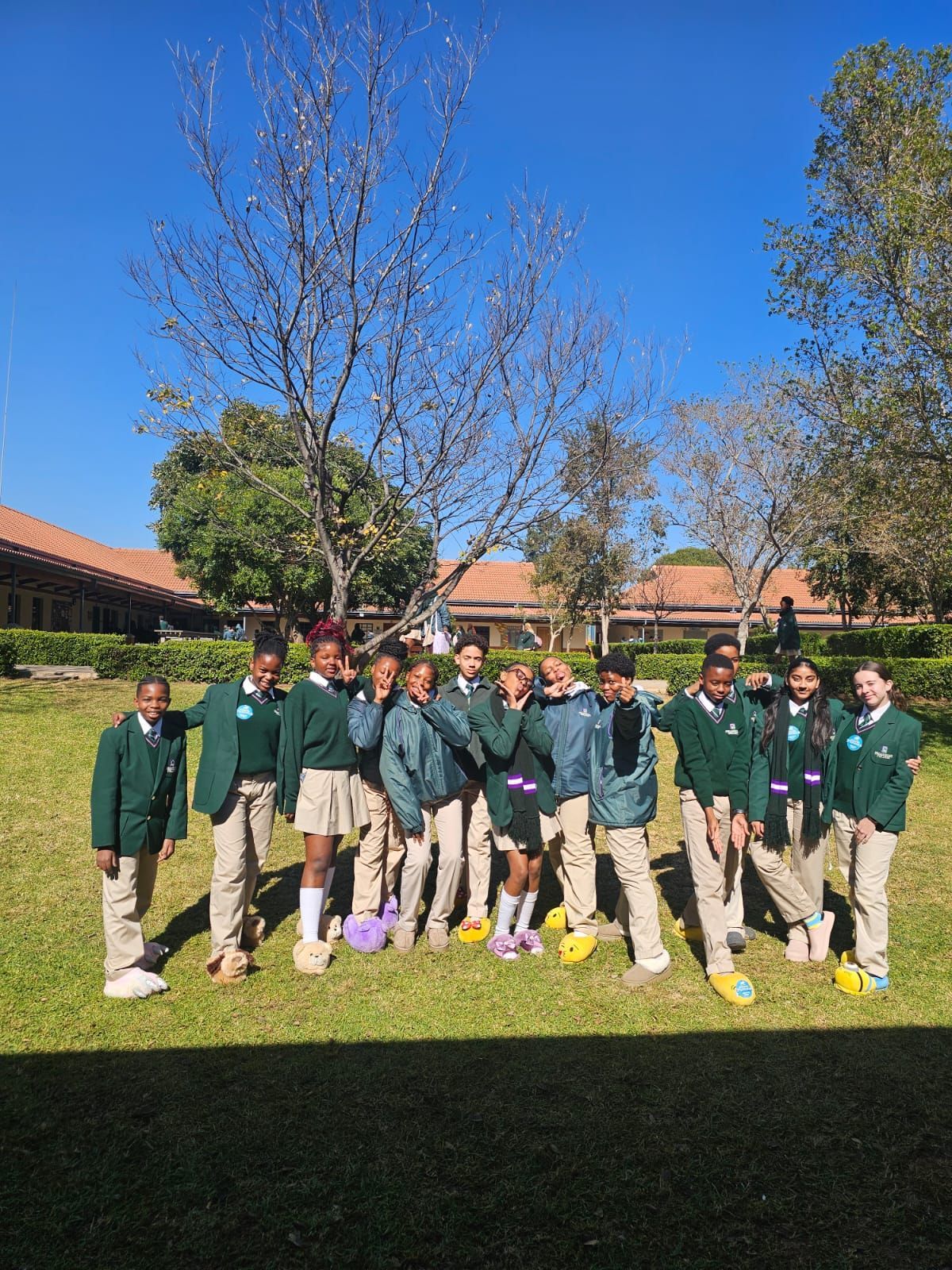
As part of our WESSA Eco-Schools commitment, Pecanwood College has adopted a black leopard cub. Learn about our conservation efforts. Read the full story!
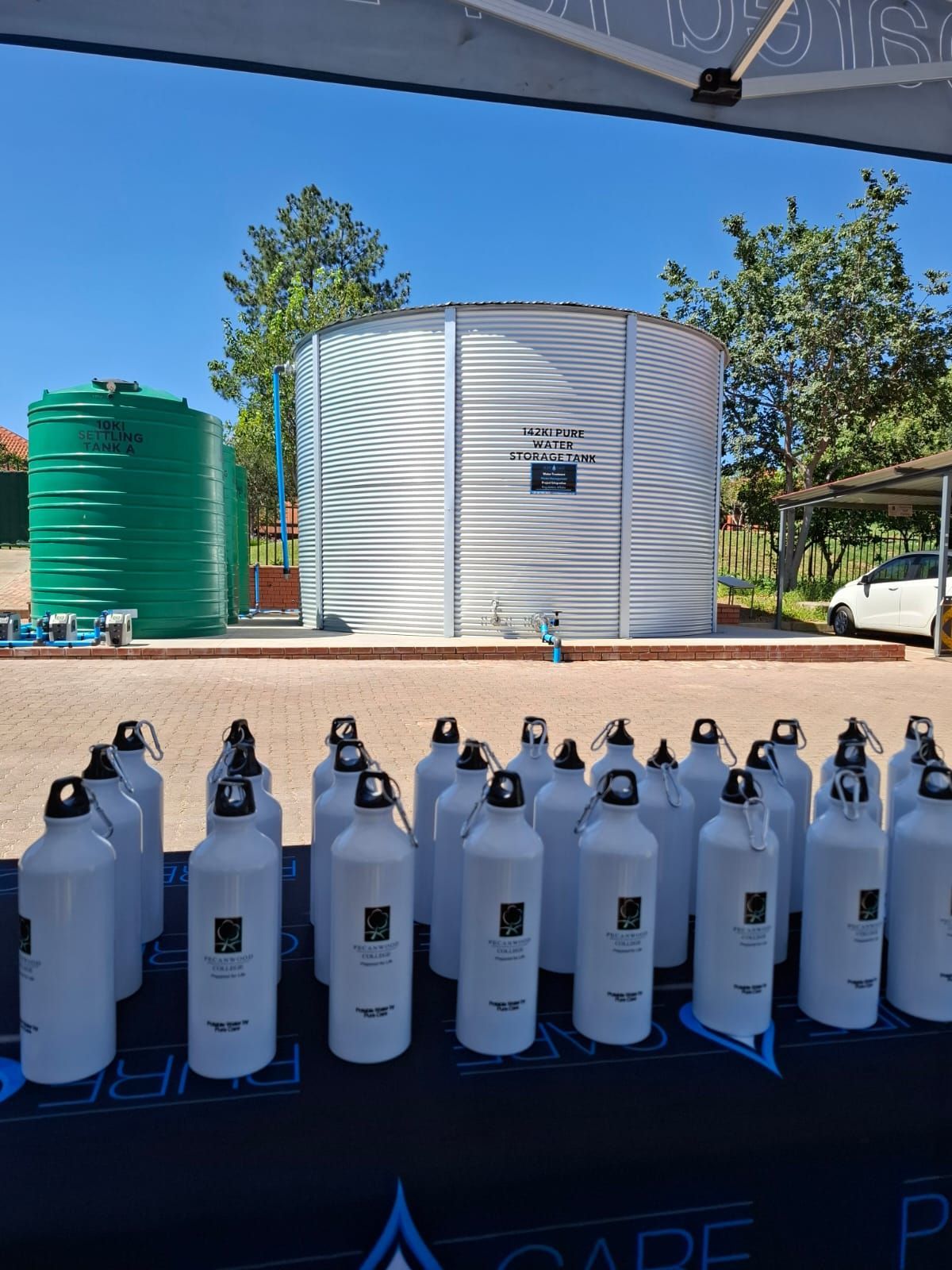
Pecanwood College partners with Pure Care to launch a new water treatment project, promoting sustainability on our campus. Learn more about this initiative!
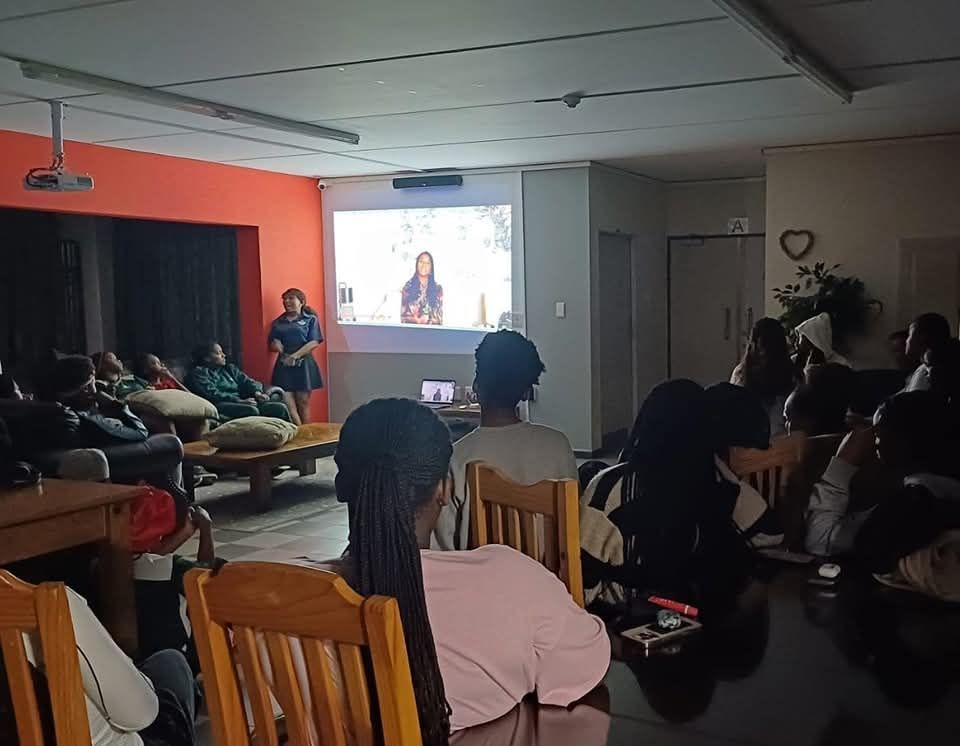
What are weekends like at Pecanwood College? Get a glimpse into a weekend well spent with our boarders and day scholars. Discover more on our blog now!
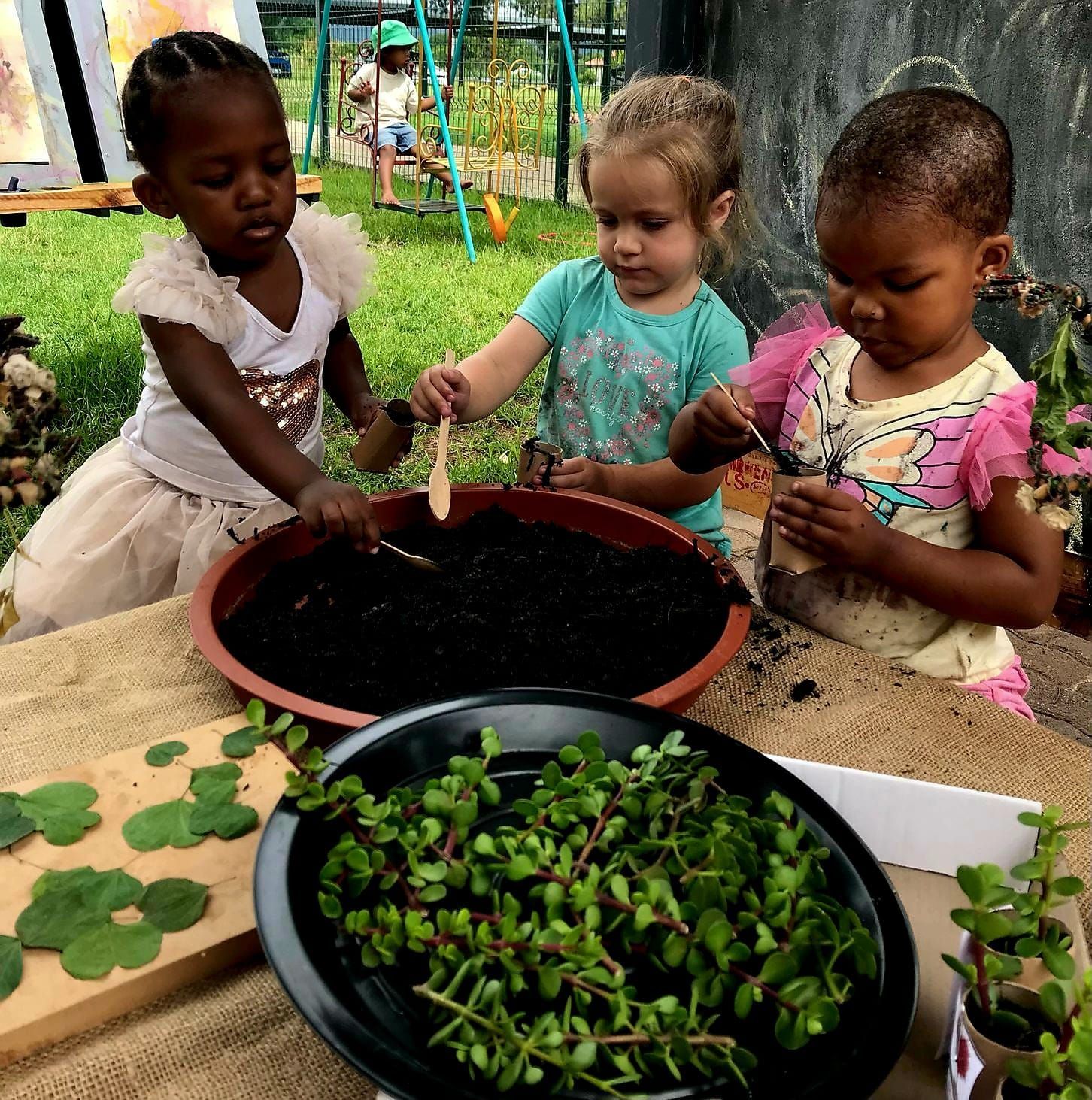
Love was in the air at our Pre-Prep! See how our little learners celebrated Valentine's Day with creative and fun activities. Explore the cute moments now!
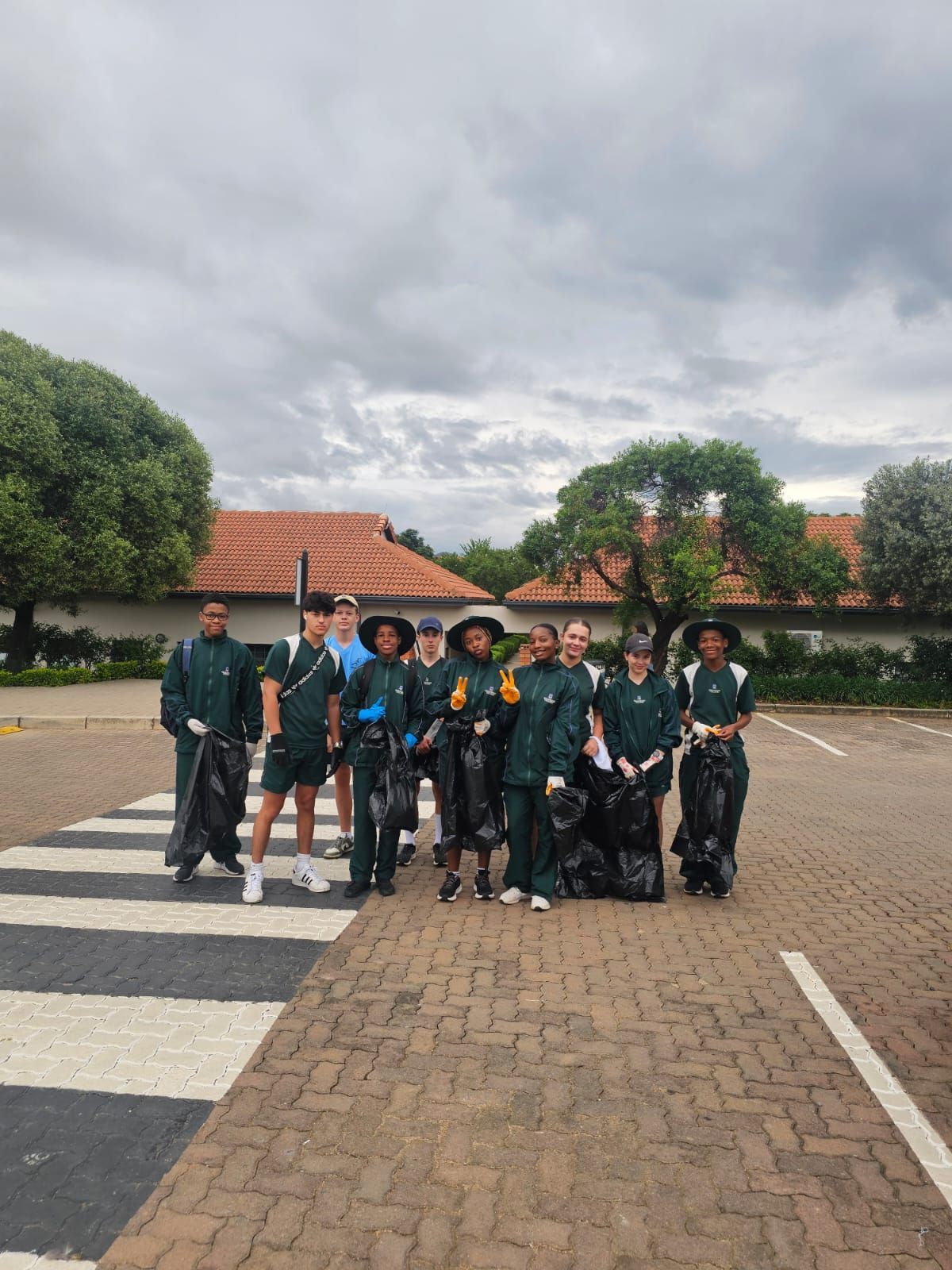
Kicking off the year with a commitment to our environment! See our students in action during the first campus clean-up of 2025. Read about their efforts!

Discover the groundbreaking SA-developed digital learning platform now at ADvTECH schools. See how we're shaping the future of education. Learn more today!
Year-end fatigue hitting hard? Get expert tips on how to beat exhaustion and help your child finish their final exams with confidence. Finish the year strong!

Make your High School Open Day count! Our essential checklist helps parents ask the right questions and get the info they need. Download your free checklist!