2025 VISION: THE SKILLS YOU NEED TO DEVELOP NOW, FOR CAREERS OF THE FUTURE
March 30, 2021
If anyone doubted that the world of work was changing, the pandemic must surely have removed those doubts. Now is the time to ensure that schools are mindful and deliberate in developing those skills which will be in high demand and necessary for success in a reconstituted future, an education expert says.
“It is no longer sufficient to focus purely on academics, and schools need to make a concerted effort to holistically develop on an ongoing basis those skills which will provide learners with a strong foundation for the future,” says Desiree Hugo, Head of Academics at ADvTECH Schools, a division of Africa’s leading private education provider.
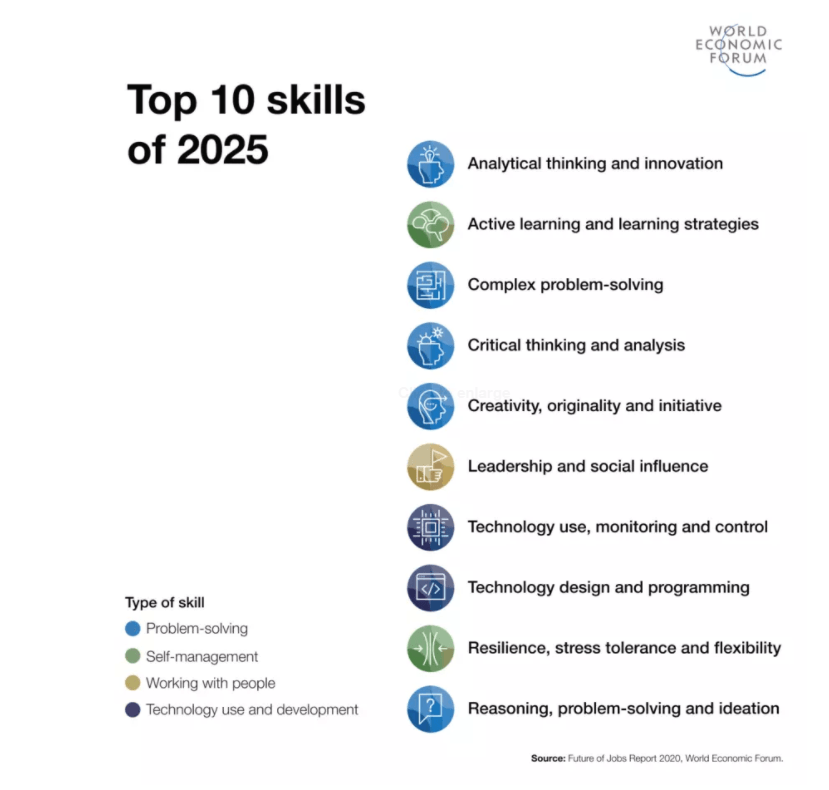
In its most recent Future of Jobs report, the survey of which was conducted in 2020 taking into account the impact of COVID on global workplaces, The World Economic Forum listed the Top 10 skills of the year 2025 as follows (see infographic below):
• Analytical thinking and innovation
• Active learning and learning strategies
• Complex problem-solving
• Critical thinking and analysis
• Creativity, originality and initiative
• Leadership and social influence
• Technology use, monitoring and control
• Technology design and programming
• Resilience, stress tolerance and flexibility
• Reasoning, problem-solving and ideation
“As the world and companies move increasingly towards automation of a myriad of functions, traditional career paths continue falling by the wayside, which requires of educators to ensure their students are able to navigate that which lies ahead, rather than that which currently exists. This necessitates the development of skills which allow young people to navigate their environment intelligently, regardless of what that environment might look like.”
Data from the WEF Future of Jobs Survey shows that companies are expecting to re-structure their workforce in response to new technologies and, in particular, the companies surveyed indicated that they were also looking to transform the composition of their value chain (55%), introduce further automation, reduce the current workforce (43%) or expand their workforce as a result of deeper technological integration (34%), and expand their use of contractors.
“Clearly, our already hugely competitive jobs marketplace is set to become even more so in future, with more people competing for fewer opportunities. It is therefore of crucial importance that we assist the students in our care to become as competitive as possible, by providing them with the skills which will set them apart in future. While technical knowledge will remain important, to be competitive, it is non-negotiable for young people to develop their ability to think and problem-solve, rather merely requiring them to relay information they have been taught,” says Hugo.
She says that ADvTECH Schools have, since 2015, sought to actively include these universal skills as an integral part of all curricula, regardless of subject.
“These skills should not be taught by way of a separate, independent curriculum, but rather incorporated within all general learning, as well as across all subject-specific learning,” Hugo says.
“In order to develop these skills, students need frameworks, examples, models, clear expectations, developmental targets and both multiple and regular opportunities to put them to practise. Teachers should provide students with regular and specific feedback on the development of these skills through their learning engagements, and formative and summative assessments should take place within the different classes. Developing these skills is a powerful tool for further exploring specific content, and over time students will be able to reflect on and identify themselves and their competence when using these learning strategies and skills.”
Hugo says that in addition to developing the WEF 2025 Skills, high schools and higher education institutions should also ensure they provide sufficient opportunity to develop those technical and future-facing skills that will be in high demand in the workplace in coming years, instead of merely the historically available basket of academic subjects.
“So for instance, the WEF survey projected that more and more companies are likely to adopt a number of technologies in coming years, including cloud computing, big data and e-commerce solutions, and so forth, which represent a continuation of the trends of recent years.
“However, it is noted that there is now also a significant rise in interest in encryption, reflecting the new vulnerabilities of our digital age, and a significant increase in the number of firms expecting to adopt non-humanoid robots and artificial intelligence, with both technologies slowly becoming a mainstay of work across industries, according to the survey.”
So future career paths to look out for include: Artificial intelligence, Big data, the Internet of Things, non-humanoid Robotics and encryption. These new technologies are set to drive future growth across industries, as well as to increase the demand for new job roles and skill sets.
“Very importantly, we also prepare our students to design the jobs of the future and not just work in the new jobs created. Therefore the additional focus in our Ed Tech strategy is to develop design thinkers who are enabled to navigate various digital platforms and create new applications and technologies,” says Hugo.
“Changing trends will undoubtedly impact on the workplace of the future, and the jobs we take for granted today may be displaced in future. The ability of someone to navigate the workforce of the future will depend not just only on their occupation - which should not be considered in relation to what is, but in relation to what is expected to come – but also on their broader skillset which will enable them to perform those functions which robots still, for now, can’t.”
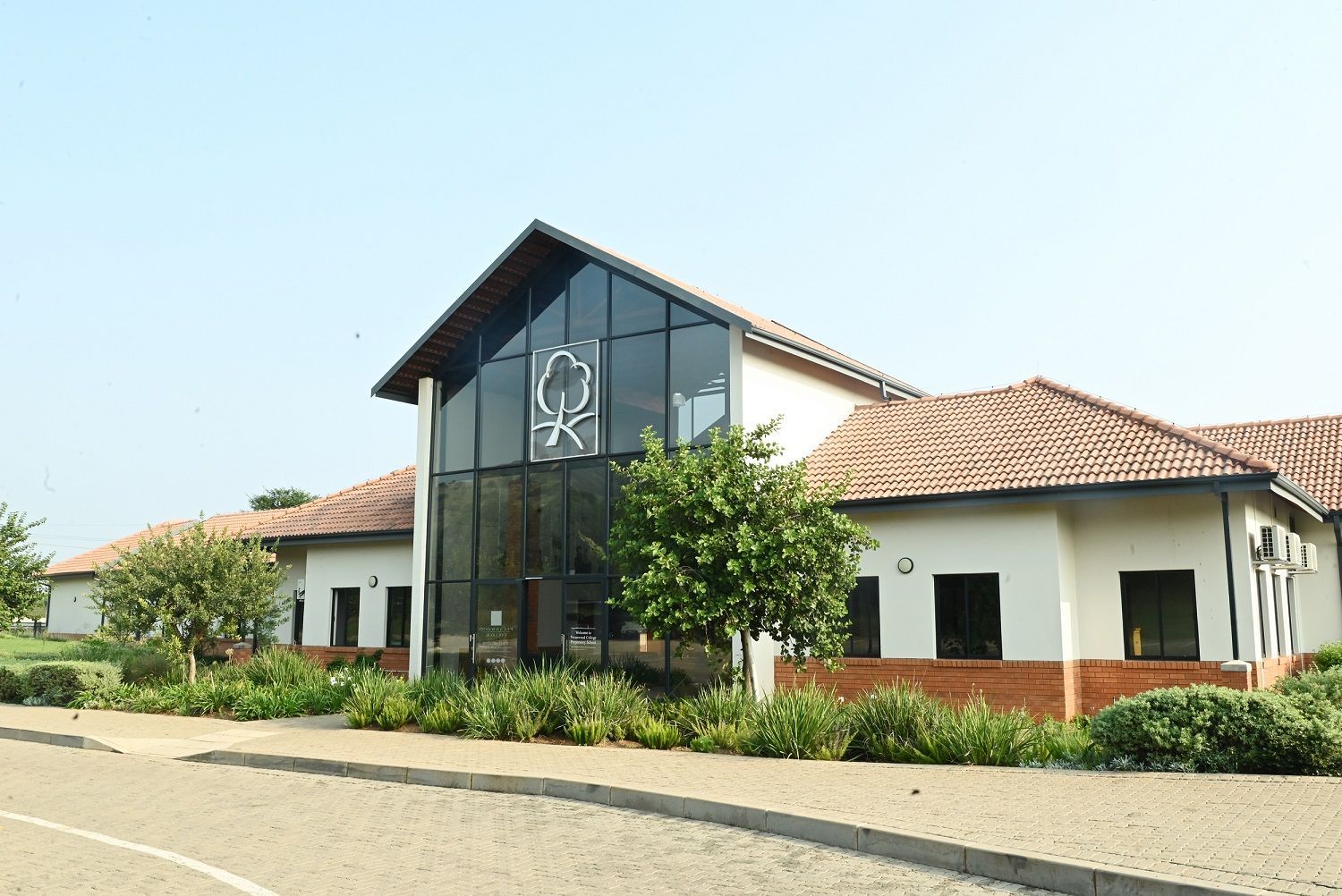
Twenty years of trusted education meets expanded opportunities, greater accessibility and future-ready learning from January 2027. Families across Hartbeespoort can look forward to an even stronger independent school offering as Pecanwood College becomes Pinnacle College Pecanwood from January 2027. The transition brings together two decades of local educational excellence with the academic strength, innovation and opportunities offered by the expanding Pinnacle Colleges network. Current and prospective families stand to benefit from a school that retains everything the community values while opening the door to even greater opportunities. Pinnacle College Pecanwood will preserve the school's caring culture, close relationships, boarding facilities, IEB curriculum, sporting tradition and vibrant co-curricular programme, while providing students access to a broader network recognised for academic excellence, future-focused learning and preparation for life beyond school. Pecanwood College has proudly served the Hartbeespoort community for 20 years, offering education from the early years through to Grade 12, including boarding. Dedicated teachers, a nurturing environment, strong IEB academic results and diverse sporting and cultural opportunities have established the school as a respected educational institution in the region. That solid foundation will now be enhanced through the wider Pinnacle Colleges network. Students and teachers will benefit from shared academic expertise, established operational excellence and opportunities to participate in broader academic, cultural and sporting initiatives across multiple campuses. Pinnacle Colleges equips students for tertiary education and successful careers through a balanced approach that combines academic excellence with innovation, career guidance, coding and robotics, technology-enabled learning and holistic personal development. Respect, responsibility and a strong sense of community remain central to every campus experience. Academic success already defines Pecanwood College. The Class of 2025 achieved an impressive 98.59% matric pass rate, a 94.36% Bachelor's Degree pass rate and an average of 1.9 distinctions per student. Pinnacle College Pecanwood will build on these achievements through strengthened academic systems, shared expertise and continued commitment to outstanding IEB education. The name Pinnacle College Pecanwood honours both the school's proud heritage and its exciting future. Twenty years of commitment by students, teachers, families and the wider community remain firmly embedded in the school's identity, while its new name reflects membership of one of South Africa's fastest-growing independent school groups dedicated to innovation, accessibility and student success. Hartbeespoort families can now enjoy the best of both worlds: a close-knit community lifestyle paired with access to a high-quality independent education close to home. Pinnacle College Pecanwood is well positioned to become the school of choice for families seeking exceptional academic opportunities, future-ready skills and an environment where every student can thrive.
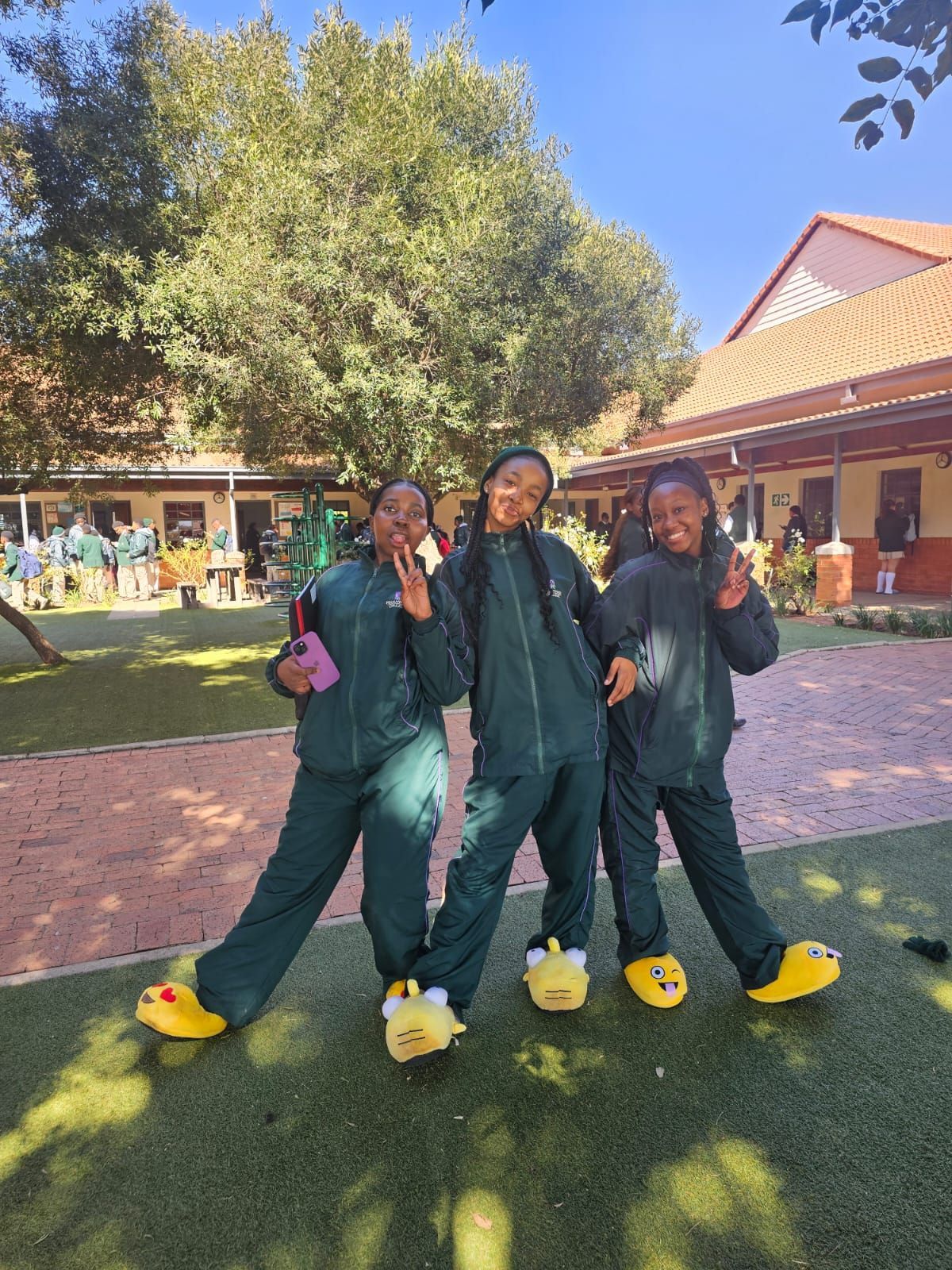
A huge thank you to our community for supporting Slipper Day 2025! See how your contribution makes a difference for children in need. Read more here!

As part of our WESSA Eco-Schools commitment, Pecanwood College has adopted a black leopard cub. Learn about our conservation efforts. Read the full story!
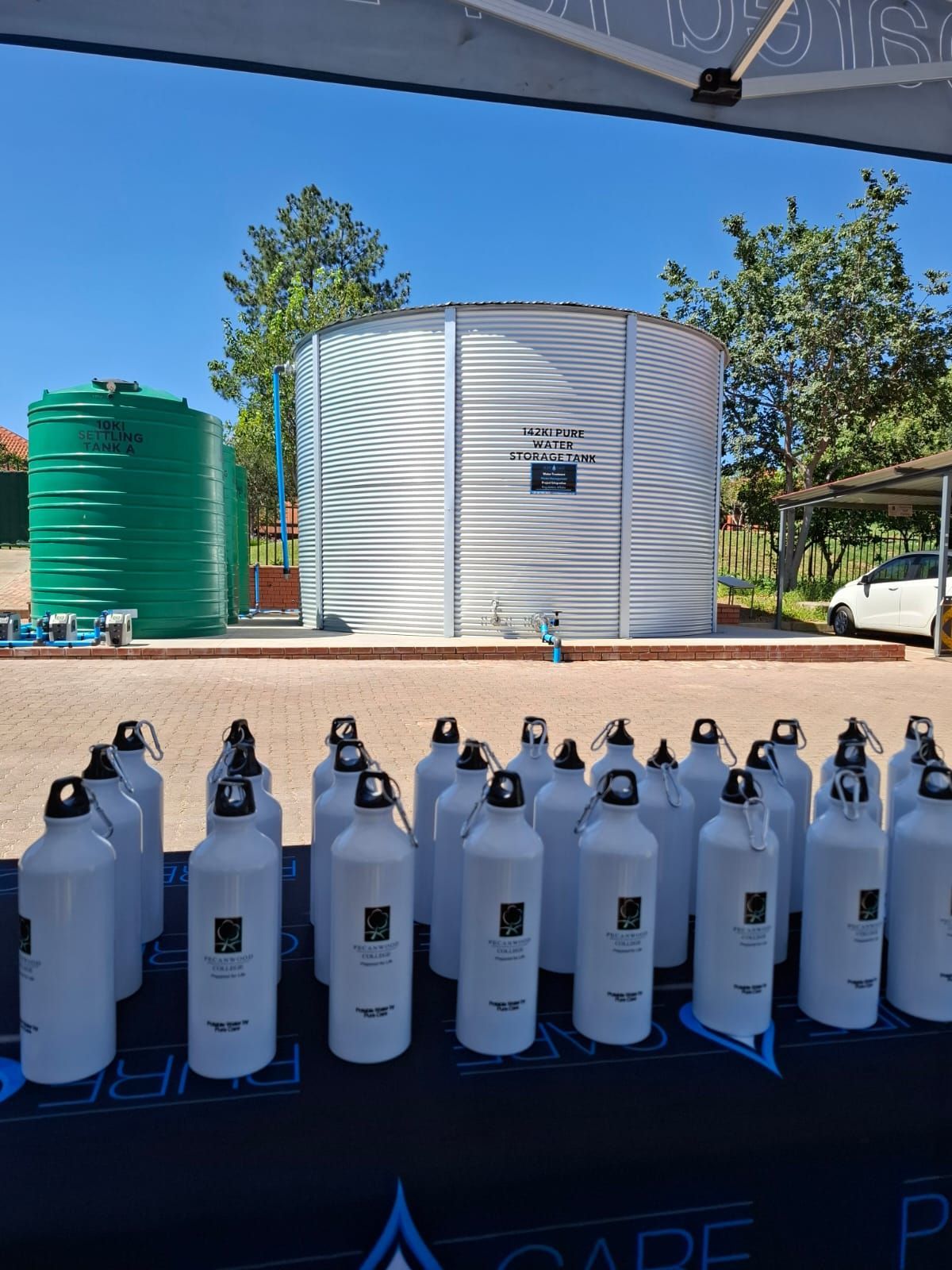
Pecanwood College partners with Pure Care to launch a new water treatment project, promoting sustainability on our campus. Learn more about this initiative!
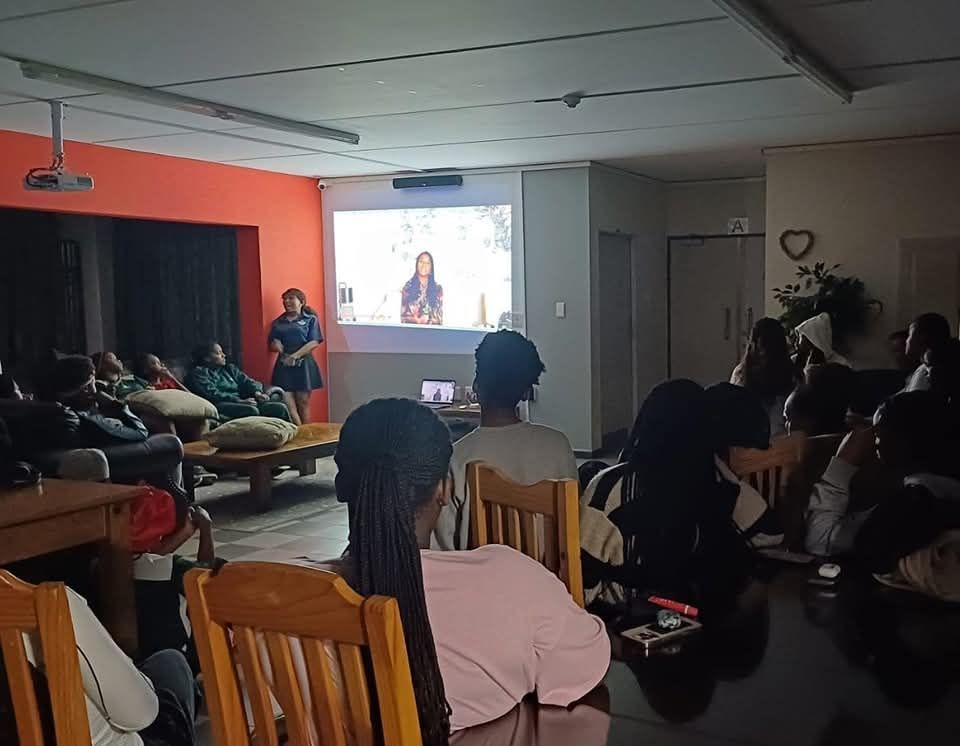
What are weekends like at Pecanwood College? Get a glimpse into a weekend well spent with our boarders and day scholars. Discover more on our blog now!

Love was in the air at our Pre-Prep! See how our little learners celebrated Valentine's Day with creative and fun activities. Explore the cute moments now!
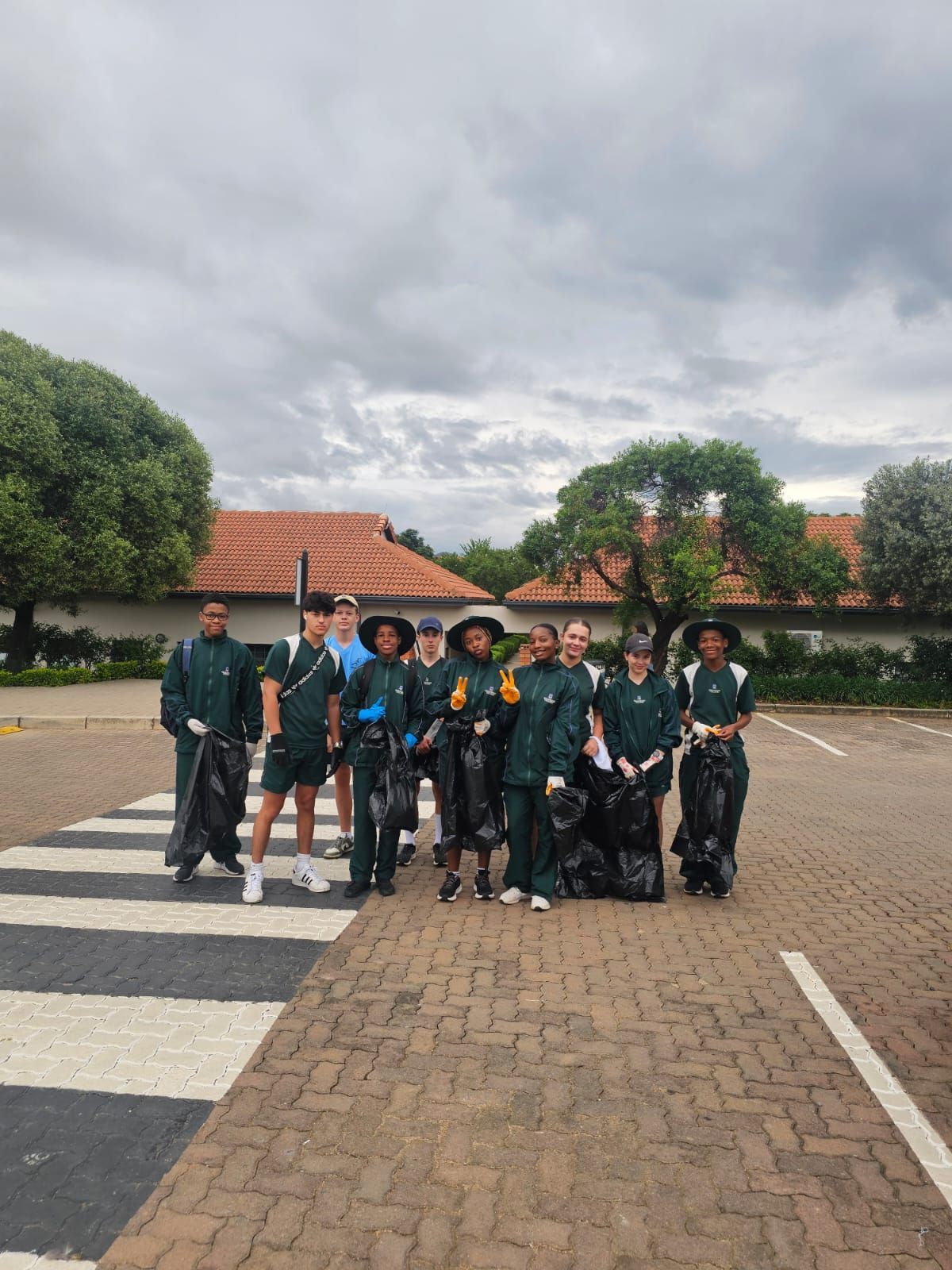
Kicking off the year with a commitment to our environment! See our students in action during the first campus clean-up of 2025. Read about their efforts!

Discover the groundbreaking SA-developed digital learning platform now at ADvTECH schools. See how we're shaping the future of education. Learn more today!

Year-end fatigue hitting hard? Get expert tips on how to beat exhaustion and help your child finish their final exams with confidence. Finish the year strong!

Make your High School Open Day count! Our essential checklist helps parents ask the right questions and get the info they need. Download your free checklist!